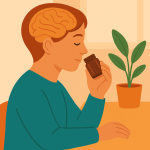
Smell training is a powerful tool to help the body rebuild its damaged olfactory networks. There is a lot of misinformation out there on what it is, and how it should be used. These pages are here to help you understand what smell training is, how it works, and what the research says about it. Using smell training the right way will be a way for you to hasten the natural recovery potential of your body. We are all different, and each case of smell loss will have a greater or lesser possibility of recovery, but you can increase your chances of improving your sense of smell with the right approach.
Smell Training: Why It’s the Number One Tool for Recovery
If you’re trying to recover from smell loss, there’s one piece of advice you’ll hear again and again: start smell training. It’s the most important thing you can do to support your recovery. Smell training is a simple daily practice backed by research, and it helps your brain establish new neural networks.
Whether your smell loss is due to COVID, a virus, or injury, smell training gives your olfactory system the best chance of improving. Viral and Covid-related smell loss cases are the most likely to recover to some extent. We know that Covid cases can take much longer than was originally thought, but people are still recovering so there is good reason to be positive. Those with head injuries are less likely to recover, but there’s a simple message to help you understand if you might be in this category: do you have any inklings of smell, no matter how faint, disorganised, or meaningless? If you are responding to an outside olfactory stimulus (something you bring to your nose, that you know is scented), then you should be smell training.
What is Smell Training?
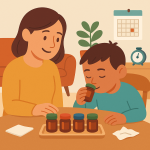
The process involves sniffing a small set of distinct scents twice a day – usually four different ones – and focusing your attention on each one. Anticipating a smell, and firing up the part of the brain that is associated with interpreting smell, is an important way to build new neural pathways in the brain.
Think of it like, stroke rehabilitation, but for your nose. Someone who has had a stroke and can’t walk, for instance, has to relearn the movement of their legs with daily attention to exercises. Their first day in the rehab clinic, they won’t be able to take a step. That’s where you are now. To see improvement in your sense of smell, and establish these neural networks, daily attention is needed. You must do it twice daily for a minimum of four months – no ifs, ands, or buts!
Why It Works
The method works by tapping into neuroplasticity, the brain’s ability to adapt and form new connections. We know now that the brain can re-form itself in all sorts of amazing ways. In studies, those who have consistently smell trained alter the grey matter in their brains. That’s amazing! You can also put this to work – for you. Even when smell pathways have been damaged, your brain can learn to rebuild some of that function with repeated exposure and focused attention.
Research shows that smell training can:
- Improve smell sensitivity
- Reduce the severity of parosmia (distorted smells)
- Boost emotional well-being and sense of control
- In a study on the elderly, smell training was shown to have increased verbal skills and mood
How to Get Started
To start smell training, you’ll need four different things to smell. Traditionally, these are rose, lemon, eucalyptus, and clove – chosen because these were the aroma profiles used in the original research on smell training. You can purchase these from Scent Recover, or make your own. Do you have to use essential oils? Not at all. You can just as easily use things from your kitchen cupboard, though using a kit is helpful in the beginning to get you into the habit of trying to smell regularly. Do you have to smell out of a jar? Wouldn’t it just be easier to smell the jar of essential oils? You’ll find good reasons why this is so in the tutorial on making a kit.
Here’s what to do:
- Sniff each scent slowly and gently for about 20 seconds. Use “bunny” sniffs.
- Focus on what you’re doing, even if you can’t smell anything.
- Repeat this twice a day, morning and evening.
- Keep a journal of small changes over time.
Be patient. Improvements may be subtle and slow, but persistence is key.
Tips to Stay Motivated
- Set a reminder on your phone or keep your kit somewhere visible
- Join a support group or smell training community
- Track progress using a chart or notebook
- Celebrate small wins — even faint smells or new sensations–mark them in your diary
Key Takeaway
Smell training is the most effective, research-backed way to support recovery from smell loss. With consistency and patience, it can help rewire the brain and restore lost olfactory function — no matter how long it’s been since your sense of smell changed.
Recovery can be slow, like watching a tree grow! From a day to day standpoint, you won’t be aware of the changes. Over time though, if you have kept a diary, you will see the changes and not only be motivated to continue, but this will change the way you feel about your recovery.
Here are some articles on smell training that you may find helpful
Practical guides
Once you have the basics, these cover the practical side: making your own kit, fitting training into your day, and keeping going when progress feels slow.

The research
Smell training is one of the best-evidenced things you can do for smell recovery. These articles look at what the studies actually show, and how the science is developing.